
Years ago I was troubleshooting with a friend. While I appreciated the collaborative nature of my team, we often struggled getting from ideas to action. “You know there are models for that, right?” I had no idea, and that’s the day I discovered RASCI.
The RASCI Matrix
Simply stated, the RASCI Matrix helps define responsibilities or “lanes” within collaborative teamwork. Within a team or project, this is a model to determine in advance who is:
Responsible – Who owns it? Who is ultimately responsible even if delegated?
Approver – Supervising authority that is informed and can override decisions
Supporter – Parallel lanes of assistance from other departments and ministries
Contributor – Highest form of collaborative teamwork (bringing strengths not otherwise present, while the owner still retains responsibility for the project)
Informed – Those made aware but not participating
The Value of Collaborative Teamwork
Members of a team often want to help however and whenever possible, looking for opportunities to connect across defined departments in order to achieve a shared solution
At its best, collaborative teamwork provides a safe environment in which varying ideas can be collected to result in a better outcome/event. Productivity and quality thrive as the team members benefit from sharing the best of their various competencies to help one another flourish within their roles and responsibilities. However, even great teams with the best of intentions can run into roadblocks. Who takes a given task? Who should simply give input? And who makes the final decision?
Lanes of Responsibility
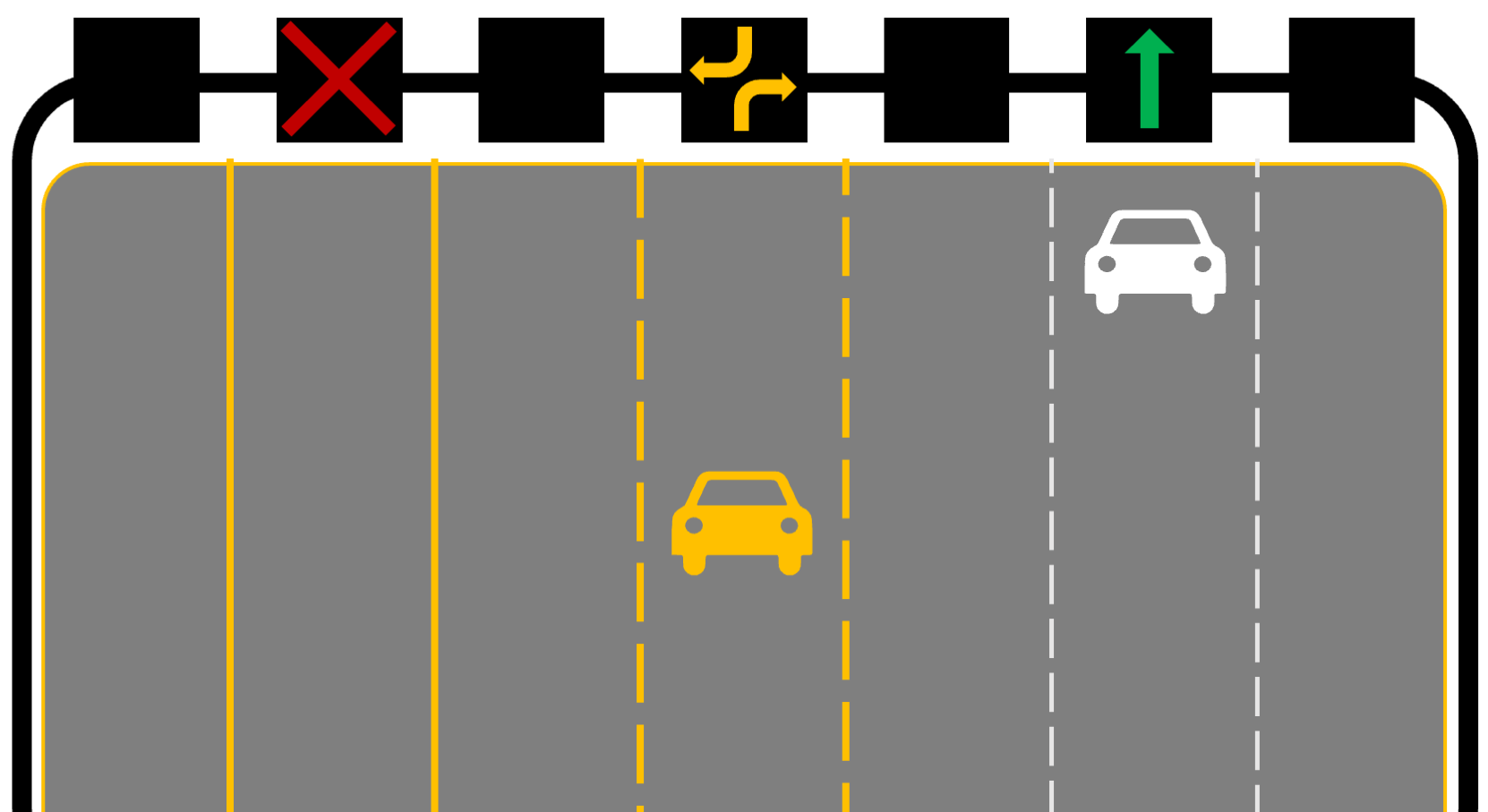
Within a team or even an organization, lanes give a clear picture of who makes the final decision and who sees an assignment or event to completion. Simply stated, a lane of responsibility is the known boundaries for a particular role or assignment. When someone is operating within their lane, he or she is concerned with details and actions that are directly related to that project or role. One could function within a lane as an approver, an owner, or contributor.
Sharing Lanes vs Parallel Lanes
To share a lane is to invite another to contribute to a project or event for a specific purpose. Those sharing a lane typically collaborate on various details or aspects of a project. In a shared lane, one might participate as a contributor or serve in a support role. Contributors provide strengths that would not otherwise be present, and supporters come alongside a team to help complete needed tasks. Collaboration doesn’t mean everyone is responsible or equally accountable; there will always be someone who “owns it.” All members in a shared lane are well informed.
When functioning in parallel lanes, one or more people may handle details, but are ultimately not responsible for the project. A parallel lane may also simply represent a sharing of information.
Summary
RASCI can be used to clarify responsibilities of individuals or jobs within a single task or an entire team. It can also be utilized to help identify and define expectations within collaborative teamwork. It is important to define what role each participant or department falls into at the start of a project. Accurate expectations will keep team members from speaking into areas of a project that have already been decided by those ultimately responsible. To know if one is expected to support, contribute or merely be informed, streamlines collaboration and avoids wasting time with unneeded brainstorming.
 Alan V Michael